After more than ten years working as a plumber, I’ve learned that shower leak repairs are rarely called in at the first sign of trouble. Most people live with a leak for a while before picking up the phone. A damp patch that dries out. A loose tile that doesn’t seem urgent. A bit of water outside the enclosure that’s blamed on splashback. By the time I arrive, the leak has usually had time to make itself comfortable.
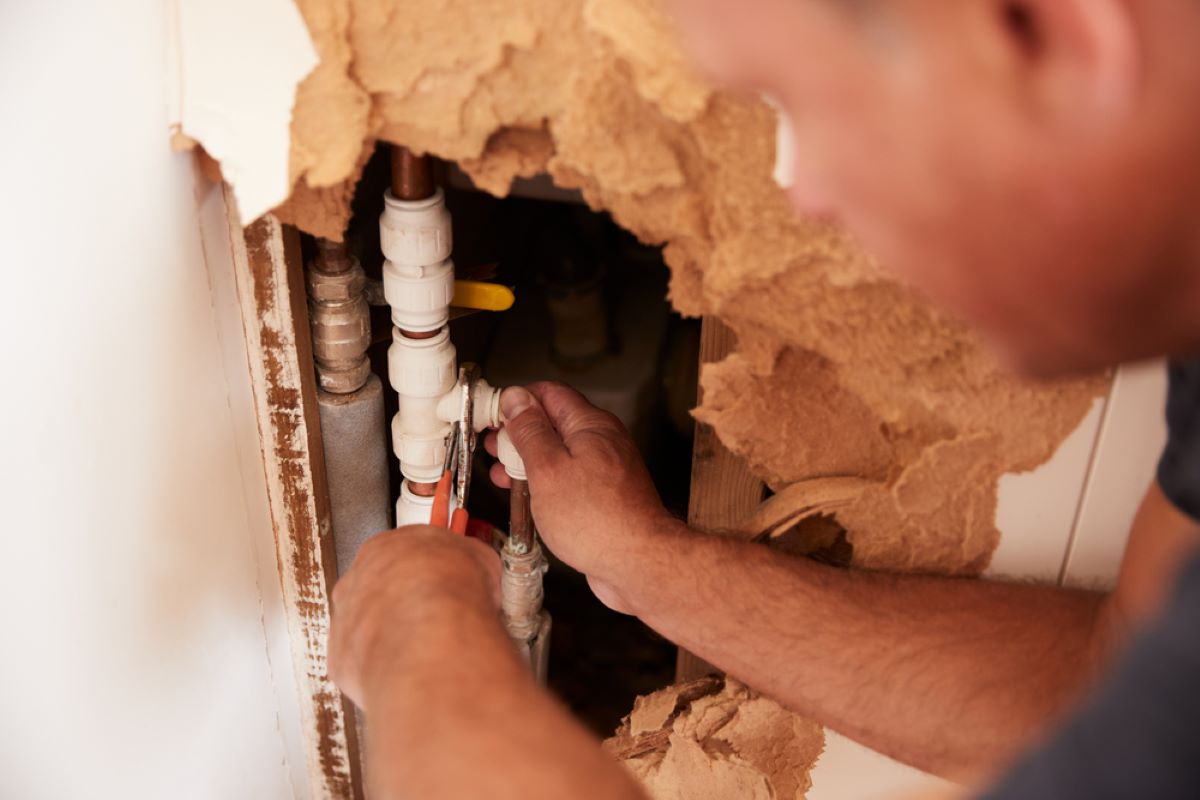
One job that still stands out involved a family who thought their shower was fine, apart from a faint smell that came and went. The bathroom looked spotless, and the silicone around the tray appeared intact. When I removed a small access panel, the issue became obvious. Water had been seeping behind the wall for months through a failed seal hidden behind the enclosure frame. It wasn’t dramatic, but the timber had darkened and softened over time. Fixing the leak itself was straightforward. Undoing the quiet damage took much longer.
In my experience, shower leaks are often misdiagnosed because they don’t behave consistently. I once attended a call where the leak only appeared after longer showers. Quick tests showed nothing wrong, and the homeowner assumed the problem had resolved itself. When I ran the shower for ten minutes with hot water, the leak revealed itself behind the tiles. Thermal expansion had been opening a joint just enough to let water escape. That kind of fault doesn’t show up unless you’re patient and test the system the way it’s actually used.
A common mistake I see is repeated resealing without checking what’s underneath. Fresh silicone can hide a problem temporarily, but it won’t stop movement. I’ve repaired showers where layer after layer of sealant had been added over the years, each one failing sooner than the last. In those cases, the tray wasn’t properly supported, so every step flexed it slightly. No sealant can survive that for long. Until the movement is addressed, leaks keep coming back.
Another issue that crops up regularly involves waste connections under the tray. I remember a call last spring where the shower only leaked when someone stood in a certain spot. The pipe underneath had developed a small split that opened under weight and closed again once the pressure was gone. From the outside, everything looked dry. Without stepping into the shower and recreating normal use, the leak would have gone unnoticed again.
Years of dealing with showers have shaped how I see these repairs. Leaks are rarely loud, and they rarely fix themselves. The visible signs usually appear far from where the water is escaping, which makes guesswork unreliable. A lasting repair comes from understanding how showers behave day to day, how materials move, and where water prefers to travel when given the chance. Every successful repair reinforces the same lesson: taking a small leak seriously saves far more trouble later on.